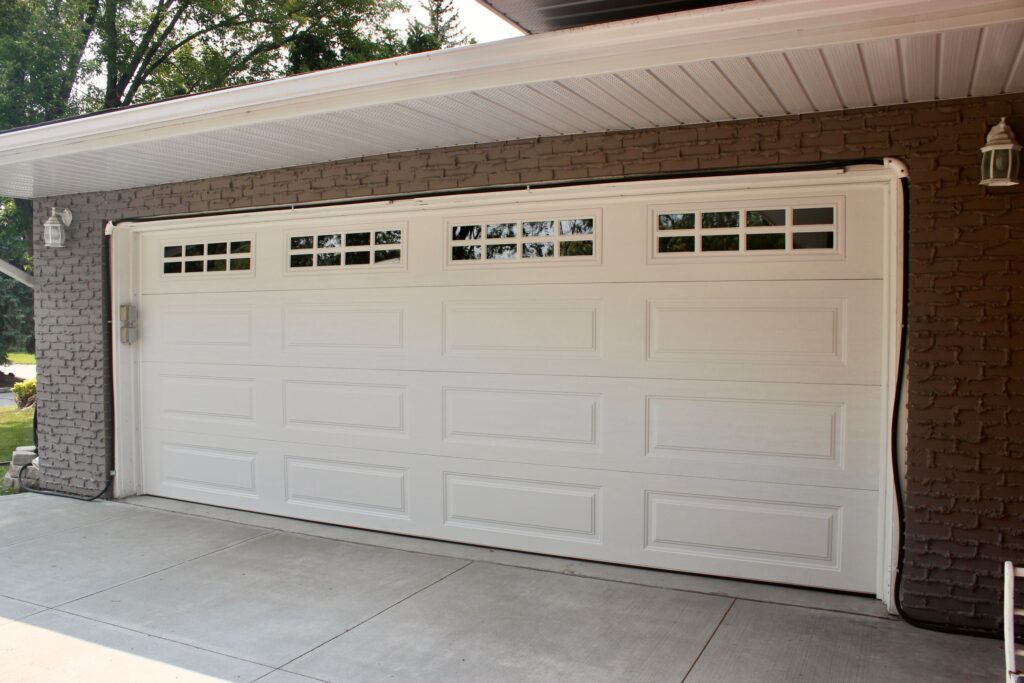
For many homeowners, the garage isn’t just where the car lives – it’s one of the most-used entryways into the house. And since garage doors are usually the largest opening on your home’s exterior, they can also be a major source of heat loss. That means higher energy bills and a less comfortable home.
One of the smartest ways to tackle this? Choose an insulated garage door. Not only does it help keep your home’s temperature more consistent, but it also makes your garage door quieter and stronger.
Keep the Heat (or Cool) Where It Belongs
In cold weather, an insulated garage door helps keep warm air inside your home and cold air out. In the summer, it works the opposite way – blocking hot air from seeping into your garage. That’s especially important if your garage is attached to your home, or if there are living spaces above it.
Think about it: if your garage shares walls with your kitchen, hallway, or even a bedroom upstairs, that outside air can sneak into the rest of your house. Insulation helps cut down on that heat transfer – so even when your garage door is closed, your home stays more comfortable.
Quieter Operation = Happier Home
Insulated garage doors don’t just keep your garage more comfortable – they also help reduce noise. You’ll notice a softer, quieter sound when the door opens and closes, which is a nice bonus if your garage is close to living spaces or bedrooms.
Understanding Insulation Ratings
When comparing insulated garage doors, you’ll likely come across a couple of key numbers:
- R-Value: This measures how well a door resists heat flow. The higher the R-value, the better the insulation. A higher R-value means your garage stays warmer in winter and cooler in summer.
- U-Factor: This measures the rate of heat transfer (so, lower is better). It’s not used as widely in residential garage doors, but it’s still good to know. At Clopay®, we focus on R-values for measuring energy efficiency.
Clopay’s garage door R-values range from 6.3 to 20.4, depending on the model and insulation type. Check individual product details to find the best fit for your climate and comfort goals.
Insulation Types: What’s the Difference?
There are two main types of garage door insulation: polystyrene and polyurethane. Here’s a quick breakdown to help you decide what’s right for your home:
Polystyrene Insulation
- Made from rigid foam panels
- Often found in DIY insulation kits and budget-friendly garage doors
- Provides a decent boost in energy efficiency and helps reduce noise
- Quieter than uninsulated doors, but not as thermally efficient as polyurethane
Polyurethane Insulation
- Foam-injected between steel panels, then expanded to fill every gap
- Creates a solid, durable, and ultra-quiet door
- Offers better protection against dents, dings, and daily wear
- Excellent at keeping your garage warmer in winter and cooler in summer
- Higher R-values and better energy performance – but also a higher upfront cost
If your garage is a main entry point, and because we live in a region with extreme temperatures, polyurethane is usually the best investment.
The Long-Term Payoff
Whether you’re on a tight budget or going all-in on energy efficiency, an insulated garage door is a smart upgrade. It boosts your home’s comfort, saves energy, adds durability, and makes your garage quieter and more pleasant to use year-round.
So whether you’re replacing an old door or building new, think beyond just style – insulation makes a big difference you’ll feel every day.